

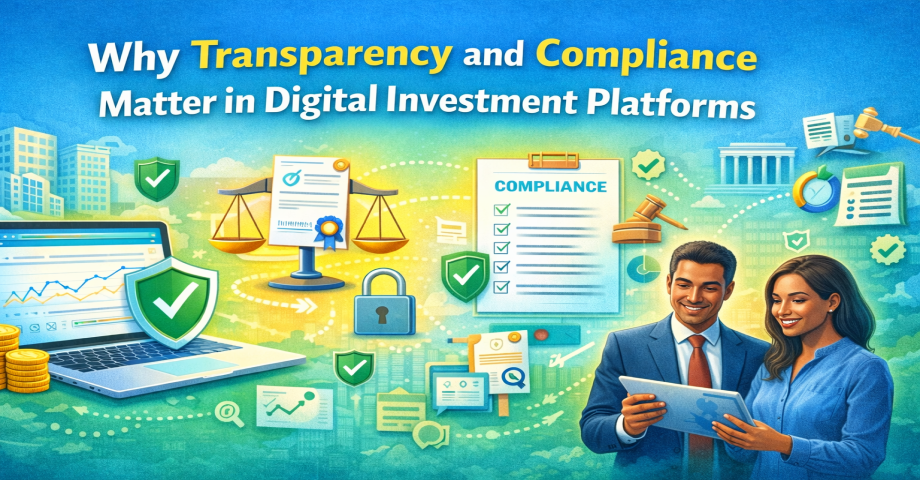
Author: Tomfon Ngangyet
The rapid growth of digital investment platforms has transformed how individuals and communities raise capital, invest savings, and participate in wealth creation. From crowdfunding and online marketplaces to cooperative investment schemes and fintech-driven portfolios, digital platforms have lowered barriers and expanded access.
However, with this growth comes heightened risk. Around the world—and especially in emerging markets—many platforms have failed not because the idea was bad, but because transparency and compliance were neglected. In the digital investment space, these two principles are not optional; they are foundational.
At its core, transparency means clarity, openness, and truthfulness in how a platform operates. Investors want to know:
Who manages the platform
How funds are collected, used, and safeguarded
What risks are involved
How returns are generated (or why they may fluctuate)
When platforms publish clear governance structures, audited reports, project updates, and realistic projections, they earn trust. Trust is the single most valuable currency in digital investment—without it, no platform can scale or survive.
Opaque systems invite suspicion, rumors, and conflict. Transparent systems invite participation, patience, and long-term commitment.
Compliance refers to operating within the boundaries of applicable laws, regulations, and ethical standards. This includes:
Corporate registration and legal status
Adherence to financial and securities regulations
Data protection and privacy policies
Anti-fraud and anti-money-laundering safeguards
For investors, compliance provides protection against abuse and mismanagement. For platform operators, it offers legal legitimacy and shields them from shutdowns, penalties, and reputational damage.
A platform that ignores compliance may appear fast and flexible at first—but it is building on sand.
Many digital investment platforms fail not because of external attacks, but because of internal disagreements. These often arise when:
Financial records are unclear
Decision-making processes are hidden
Roles and responsibilities are not documented
Contributors feel excluded from information
Transparent reporting, clear bylaws, and documented processes reduce misunderstandings and make dispute resolution easier. When everyone can see the same facts, emotions are less likely to override reason.
Banks, payment processors, development partners, and institutional investors will not work with platforms that lack compliance frameworks. Even donors and community contributors increasingly ask:
Is this platform legally registered?
Are there governance and audit mechanisms?
Are officers accountable under the law?
Compliance signals that a platform is serious, sustainable, and scalable. It opens doors to partnerships that informal or non-compliant platforms will never access.
Digital platforms that hide information often attract short-term, speculative money. Once confidence drops, investors rush to exit, causing collapse.
Transparent platforms, on the other hand, attract patient capital—investors who understand the mission, risks, and timelines. These are the investors who support growth, reinvest profits, and defend the platform during difficult periods.
Modern digital tools make transparency easier than ever:
Online dashboards for contributions and balances
Regular email or portal-based reporting
Publicly accessible governance documents
Secure audit trails and transaction histories
Given these tools, lack of transparency today is often a choice, not a limitation. And when users sense that information is deliberately withheld, confidence erodes quickly.
History is full of failed digital investment schemes that collapsed due to:
Hidden liabilities
Unaccounted funds
Unauthorized representations
Regulatory violations
The aftermath is always the same: loss of money, loss of trust, legal consequences, and fractured communities. Rebuilding trust after such failures is far more expensive than building systems correctly from the start.
Transparency and compliance are often misunderstood as bureaucratic burdens. In reality, they are strategic assets. They protect investors, empower managers, attract partners, and ensure longevity.
In digital investment platforms—especially those serving communities and emerging markets—doing things right is not slower; it is smarter. Platforms that embrace transparency and compliance position themselves not just to launch, but to endure.
In the digital economy, trust is everything. And trust is built on transparency and compliance.