
Author: Tomfon Ngangyet.
The Meta Region, located in Momo Division, Cameroon, possesses a unique combination of natural resources, agricultural heritage, and strategic market infrastructure that positions it for long-term, sustainable economic development. With fertile land, established farming traditions, active markets, and growing interest in structured value-chain development, the region offers meaningful opportunities for inclusive growth.
This article explores the key pillars of the Meta Region’s economic potential, focusing on agriculture, markets, and sustainable development pathways.
Agriculture has historically formed the backbone of economic activity in the Meta Region. Favorable climatic conditions, fertile soils, and generational farming knowledge support diverse agricultural production.
Farmers across the region cultivate a range of food and cash crops that contribute to household incomes and regional trade. Agricultural activity not only supports food security but also forms the basis for value-addition opportunities through processing, storage, and market integration.
One of the region’s most recognized primary agricultural products is Meta Palm Oil. Known locally and regionally for its quality and traditional processing methods, palm oil production plays an important role in livelihoods, local commerce, and food supply chains.
Palm oil remains a defining element of the Meta Region’s agricultural identity and offers opportunities for improved processing, quality control, and sustainable expansion, subject to environmental and regulatory standards.
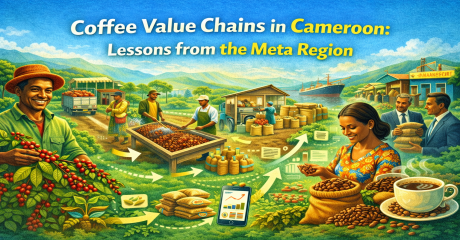
Coffee has long been a key economic crop in the Meta Region. Historical records indicate that the former Nyen Cooperative produced over 1,000 tons of coffee annually during its peak, while broader regional production reportedly reached up to 7,000 tons of Robusta coffee per year in favorable periods.
These historical figures highlight:
Agro-ecological suitability for Robusta coffee
Established farming expertise
Strong regional relevance within national and cross-border trade
While past performance does not guarantee future outcomes, this heritage provides a solid foundation for responsible and structured coffee value-chain development.
The Meta Region contains extensive grazing land supporting cattle, goats, sheep, and other livestock. Livestock contributes to food security, rural incomes, and regular market activity, particularly in local and regional markets.
Natural water boundaries, including rivers and aquatic environments, support artisanal fishing and small-scale aquaculture activities. These resources offer additional livelihood opportunities when managed sustainably and in compliance with environmental regulations.
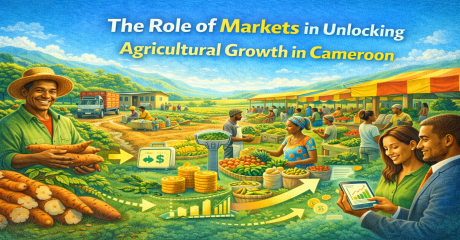
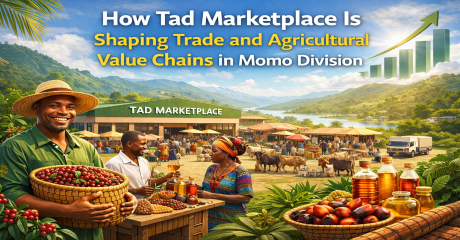
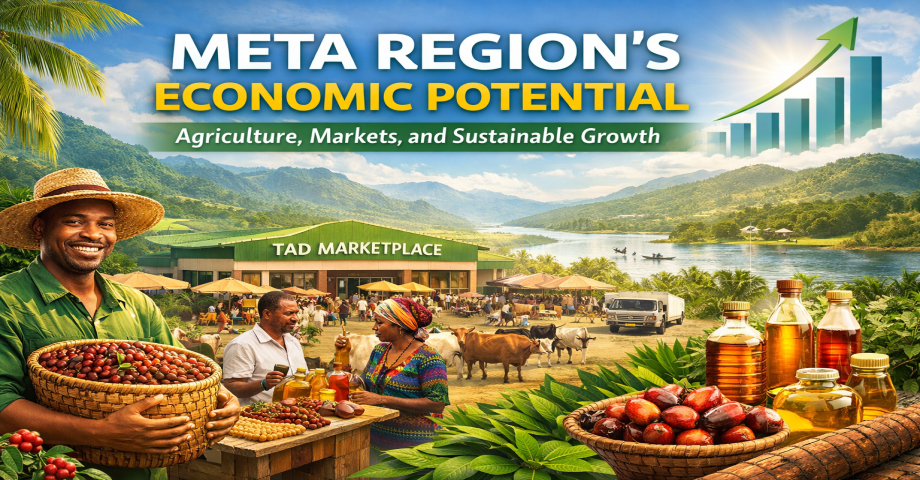
Tad Marketplace, located in the Meta Region of Momo Division, functions as a central commercial hub where agricultural products, livestock, and goods converge for trade. The market plays a vital role in linking rural producers with traders, consumers, and neighboring regions.
With surrounding land assets and proximity to production zones, Tad Marketplace presents opportunities for:
Agricultural aggregation
Storage and handling facilities
Logistics and trade services
Multi-commodity market integration
Market-centered development can significantly enhance value retention within the region and support broader economic participation.
The Meta Region benefits from the availability of land suitable for:
Agriculture and grazing
Market infrastructure
Storage and logistics facilities
Community-oriented development projects
All land-related initiatives must align with land tenure laws, municipal planning, and community consultation processes to ensure inclusive and sustainable outcomes.
Sustainable economic growth in the Meta Region depends on a balanced approach that integrates:
Responsible land use
Environmental protection
Community participation
Regulatory compliance
Long-term value creation
Structured value-chain development—particularly in agriculture and markets—can strengthen resilience, improve livelihoods, and attract responsible investment without compromising environmental or social standards.
The Meta Region’s economic potential is rooted in its agricultural strength, market activity, natural resources, and strategic location. By building on historical production capacity and existing market systems, and by embracing sustainability and compliance, the region is well-positioned for inclusive and long-term growth.
Through transparent planning, stakeholder collaboration, and responsible development frameworks, platforms like Meta Cooperation Company PLC (MCC PLC) aim to support initiatives that strengthen regional value chains and contribute meaningfully to local and national economic development.
This article is for informational purposes only and does not constitute financial, investment, or legal advice. Economic activities involve risk, and outcomes depend on market conditions, regulatory approvals, and feasibility assessments.